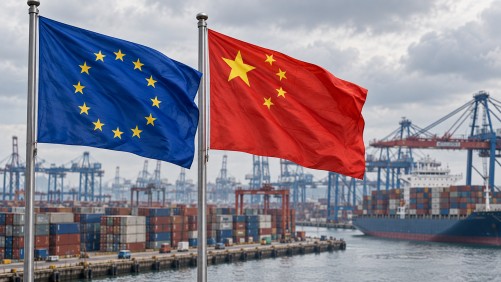
The European Union is under scrutiny for its proposal to introduce a trade instrument similar to the United States’ Section 301, which allows for unilateral trade actions. Critics argue that this measure may be used more as a negotiating tactic than as a significant shift in the EU’s trade policy toward China.
China’s Ministry of Commerce has expressed strong opposition to the proposed trade restrictions, warning that such actions could heighten economic tensions, disrupt bilateral trade, and affect global supply chains. The ministry emphasized the importance of adhering to international trade rules and resolving differences through dialogue and consultation. It cautioned that additional pressure on Chinese companies or products could harm economic and trade cooperation between China and the EU.
Despite these tensions, China and the EU continue to engage in discussions through existing trade and investment frameworks to address their concerns. Beijing has stated that imposing discriminatory restrictions while negotiations are ongoing could undermine mutual trust and complicate further consultations.
Experts in the field suggest that the EU’s proposed instrument is part of an effort to gain leverage in trade negotiations with China. However, they warn that broad restrictions might provoke retaliatory measures and pose economic risks for both sides.
China has indicated its intention to closely monitor the situation and take necessary actions to protect its domestic industries if discriminatory restrictions targeting Chinese businesses or products are implemented.