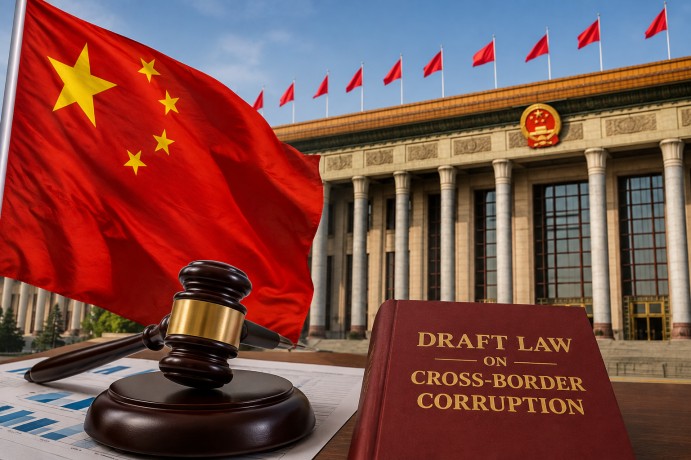
China’s top legislative body, the National People’s Congress Standing Committee, is poised to examine a draft law targeting cross-border corruption in its upcoming session from August 25 to 28. This proposed legislation aims to bolster China’s anti-corruption measures and enhance international collaboration in tracking down and repatriating officials and fugitives suspected of corruption who have fled abroad. The draft law is a significant priority for the current term of the NPC and is listed among the key legislative initiatives for 2026.
The Chinese government has been intensifying its efforts to bring back individuals accused of corruption who have escaped to other countries. In 2025, the nation’s top anti-corruption agency reported the repatriation of 963 fugitives. This reflects China’s ongoing commitment to strengthening its legal framework to combat corruption beyond its borders, showcasing a robust strategy to address international crime and ensure accountability.
In addition to the anti-corruption law, the session will involve the review of other critical legislative proposals and amendments. Lawmakers are set to discuss a range of topics, including healthcare security, farmland protection, and agricultural policies. This comprehensive agenda underscores the government’s focus on addressing various sectors crucial to national development and public welfare.
The legislative session will also cover areas such as national defense mobilization, banking regulation, and water management. These discussions are part of China’s broader strategy to refine its regulatory framework across different domains, ensuring sustainable growth and enhanced security.
Additionally, road traffic safety is on the agenda, highlighting the government’s commitment to improving infrastructure and public safety. The diverse range of topics scheduled for review demonstrates the legislative body’s comprehensive approach to governance, aiming to address both domestic and international challenges in the coming years.