Israel’s decision to launch a major airstrike on Yemen was a calculated risk—a high-stakes gamble intended to re-establish deterrence but one that could easily backfire and lead to a wider conflagration. The Israeli leadership weighed the risks of inaction against the risks of a massive retaliation and chose the latter.
The risk of inaction was that the Houthi use of a cluster bomb would go unpunished, emboldening them and other Iranian proxies to use more dangerous weapons. This could erode Israel’s deterrent posture across the entire region.
The risk of action, however, is immense. The strikes could provoke the Houthis into even more reckless attacks on Israeli territory or international shipping. They could also draw a more direct response from Iran, potentially opening up new fronts for Israel, for example with Hezbollah.
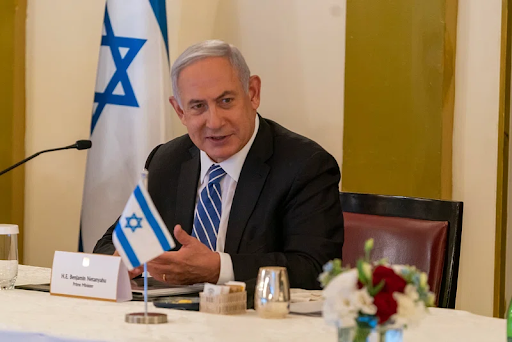
Prime Minister Benjamin Netanyahu is betting that the demonstration of overwhelming force will intimidate his adversaries into submission. But in the volatile Middle East, such gambles are notoriously unpredictable. The raid on Sanaa has placed the bet, and the region now waits to see how the cards will fall.