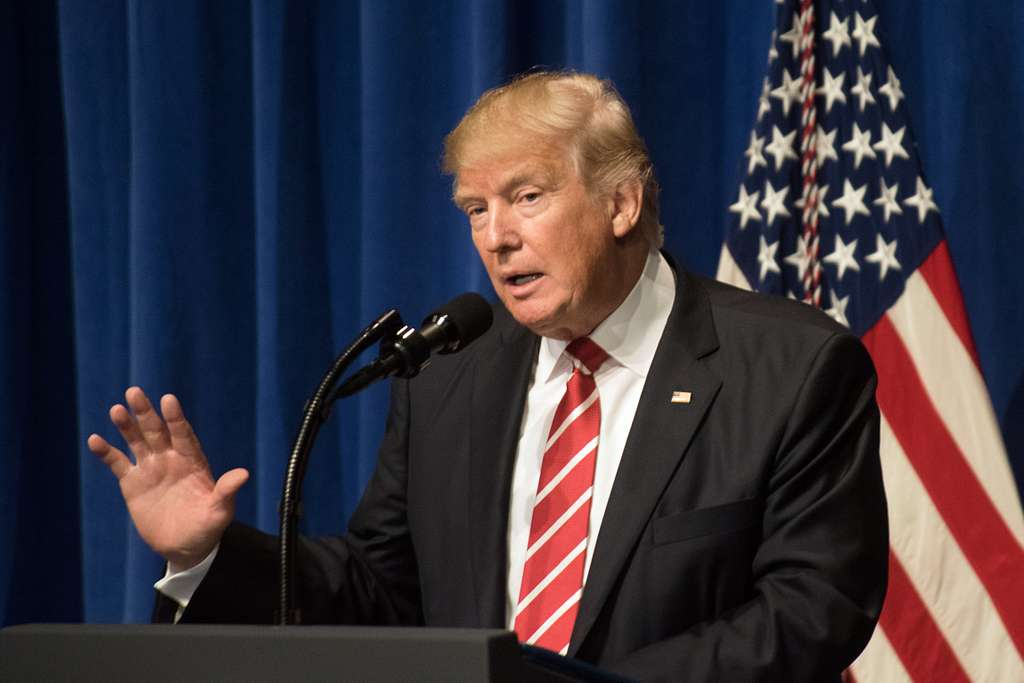
With a significant rollback in US foreign aid, a vacuum is being filled by powerful lobbying firms with direct connections to Donald Trump, attracting impoverished nations desperate for a voice in Washington. Somalia, Yemen, and the Democratic Republic of the Congo are among the countries reportedly channeling millions into these lobbying efforts, seeking to bridge the gap left by diminishing traditional assistance.
These agreements transcend mere advocacy; they often involve a strategic exchange of critical natural resources for political and military assurances. The DRC, a nation rich in coveted minerals, is said to be offering American companies access to its lithium, cobalt, and coltan deposits. This novel form of diplomacy underscores the immense pressure these countries face to secure vital support.
Lobbying giants like Ballard Partners, helmed by Trump advisor Brian Ballard, are profiting significantly from these new arrangements. The DRC has reportedly invested around $1.2 million with Ballard’s firm. Similarly, Somalia has paid BGR Government Affairs over $500,000, and Yemen over $370,000, illustrating the hefty price tags attached to Washington influence.
Concerns are mounting over the ethical implications of these deals. Critics like Emily Stewart of Global Witness contend that the scarcity of humanitarian aid compels these countries into agreements with highly unequal terms, particularly when their bargaining chips are irreplaceable natural resources. This transactional model risks entrenching existing inequalities and exploiting vulnerable economies.