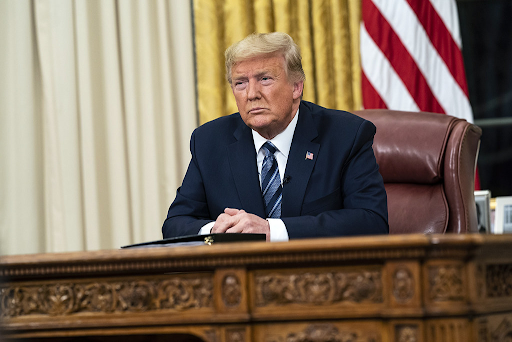
In a surprising diplomatic alignment, Donald Trump has sided with European and Arab nations against the Israeli far-right on the critical issue of West Bank annexation. The president’s firm declaration that annexation “is not going to happen” represents a victory for the coalition of countries that had lobbied Washington to prevent the move.
This new alliance of positions was unexpected, especially after recent tensions between the US and European allies like the UK and France over their recognition of Palestine. Many feared Trump would retaliate, but instead, he appears to have been persuaded by their arguments about the dangers of annexation, which were strongly echoed by key Arab partners like Saudi Arabia.
This development puts Israeli Prime Minister Benjamin Netanyahu in a state of diplomatic isolation on this issue. Arriving at the UN, he found his staunchest ally, the US, publicly aligned with his biggest critics on a matter of vital importance to his government’s stability and agenda.
The issue that forged this unlikely alignment is the proposed extension of Israeli sovereignty over the West Bank, a move seen by the international community as a violation of international law. The presence of 700,000 Israeli settlers in the territory remains the most contentious aspect of the conflict.
This surprising shift in alignment could also be a strategic gambit related to the Gaza war. By demonstrating a willingness to listen to and side with European and Arab partners, Trump may be trying to build a broader, more robust coalition to support his 21-point peace plan and bring the nearly two-year-long conflict to a definitive end.