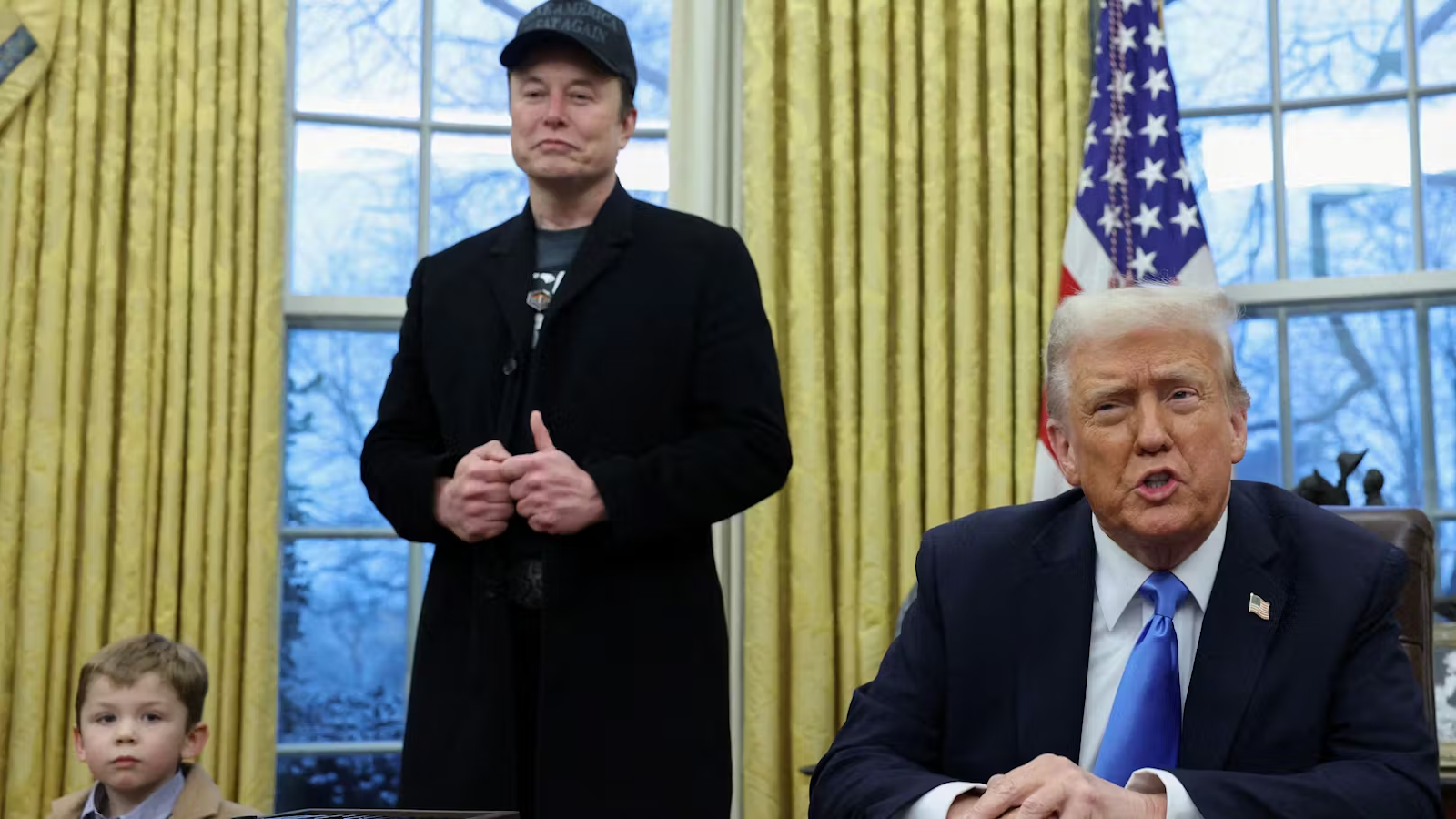
Elon Musk’s 138-day tenure as a “special government employee” leading the Department of Government Efficiency (Doge) concluded in the Oval Office, a send-off marked by unaddressed reports of alleged drug use and criticism of a new tax bill. While President Trump offered a public farewell, the underlying sentiment was one of disillusionment with Musk’s failure to meet his ambitious savings targets.
President Trump, in a highly unusual move, dedicated the briefing primarily to Musk, praising him as a global business leader and innovator. This effusive commendation, however, appeared to gloss over the significant decline in Musk’s public approval and the reported negative impact on the stock of his primary company, Tesla, during his controversial time in Washington.
The core of the controversy stemmed from a prominent news report detailing alleged drug use by Musk and his opposition to a new tax bill, which he warned would undermine Doge’s cost-cutting endeavors. Despite Trump’s familiar denunciation of the news organization, Musk conspicuously chose not to directly address or deny these significant allegations, leaving them to linger in the public consciousness.
Adding to the peculiar atmosphere was a visible black eye on Musk’s face, which he casually explained as the result of playful roughhousing with his five-year-old son. This seemingly minor detail became a curious metaphor for the metaphorical bruises his reputation had sustained during his brief, impactful, and ultimately controversial period in the heart of the administration. His parting critique of the left further solidified his polarizing persona.