International media organizations are gaining access to previously restricted border areas following the implementation of a ceasefire that ended five days of fighting between Thailand and Cambodia. The conflict, which claimed 36 lives and displaced over 200,000 people, had been conducted under conditions of limited media access that restricted public understanding of the situation.
Both military forces had imposed strict controls on journalist access to combat zones, citing security concerns and operational secrecy requirements. The media restrictions prevented comprehensive coverage of the humanitarian crisis and limited public awareness of the scale of civilian displacement and suffering.
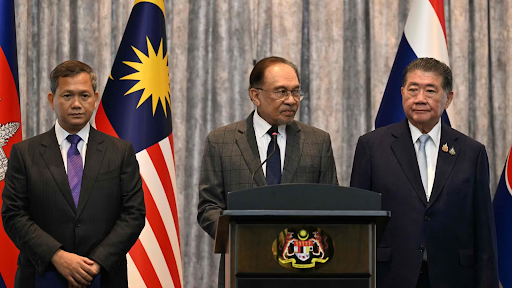
The lifting of media restrictions following the Malaysian-mediated ceasefire between Acting Thai Prime Minister Phumtham Wechayachai and Cambodian Prime Minister Hun Manet enables journalists to document the conflict’s impact on ancient temple sites and displaced communities. Early reports reveal extensive damage to civilian infrastructure and concerns about the condition of cultural heritage sites.
Press freedom advocates had criticized both governments for limiting media access during active combat operations, arguing that transparent reporting serves essential public interest functions during international conflicts. The restoration of media access represents an important step toward accountability and public understanding of the events that led to the territorial dispute.
Despite the official ceasefire taking effect at midnight Monday, continued fighting near Samraong demonstrates that media access remains dangerous and limited in some areas. Military commanders preparing for consultations will need to address press access issues, while a cross-border committee meeting in Cambodia on August 4 may establish protocols for media coverage of sensitive border areas.