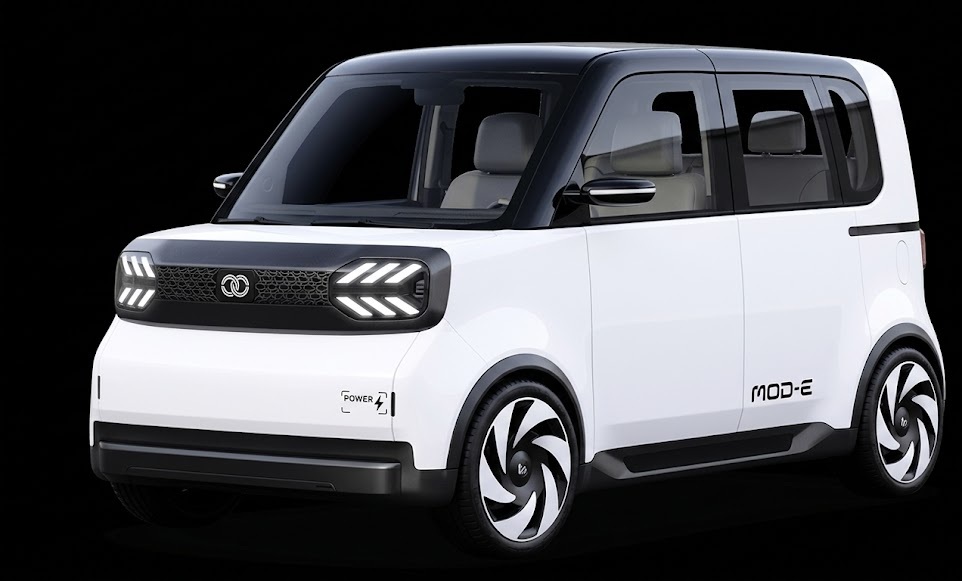
A new electric vehicle brand, EMTA, has been introduced by a coalition of Japanese automotive companies and the Chinese automaker Chery Automobile, with plans to launch its first model in 2027 targeting the Japanese market. This venture, spearheaded by Yokohama-based EMT Co., aims to capture a significant share of Japan’s popular kei car segment with a compact electric vehicle.
The collaboration includes notable Japanese firms such as Autobacs Seven and Anest Iwata, along with Chery Automobile and a battery manufacturer, among others. The kei EV will be designed and marketed locally in Japan, while its production and design will be handled in China. The vehicles will feature advanced digital capabilities, including wireless software updates and smartphone integration, and will support automated driving functions, catering to the tech-savvy consumer base.
Kei cars, which are crucial to Japan’s automotive market, make up over a third of new vehicle sales in the country. Their predominance and suitability for short daily trips make them an ideal focus for electric vehicle initiatives, as range anxiety is less of a concern for these typically city-driven vehicles. EMT also plans to utilize Autobacs stores as potential sales channels and has set an ambitious target to release three more electric models by 2029. Future aspirations include manufacturing in Japan and possibly venturing into international markets.
The launch of EMTA comes amid a surge of interest in Japan’s kei EV sector, with competition heating up as other automakers make moves to capture this segment. Chinese automaker BYD is poised to introduce its Racco kei EV tailored for Japan, while Nissan Motor has expanded its Sakura offerings with a more affordable variant. Concurrently, Suzuki Motor is set to release a kei EV within this fiscal year, and Honda Motor is working on an electric version of its N-Box model, expected to be available in 2028.
The influx of new players underscores the growing momentum within Japan’s small electric vehicle market, as automakers vie to appeal to budget-conscious urban consumers. This expansion reflects the broader industry trend towards electrification, with companies recognizing the potential of kei cars as a gateway to electric mobility in densely populated areas.