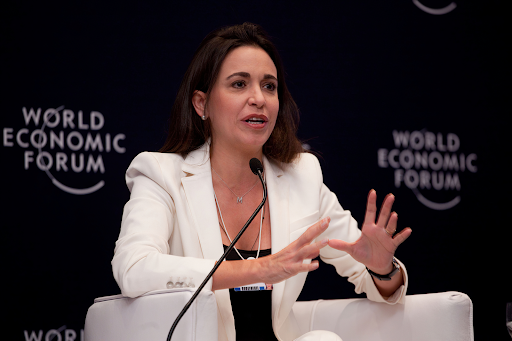
The 2025 Nobel Peace Prize is an award that seeks to re-energize a struggling movement, not just recognize a powerful individual. By choosing María Corina Machado, the committee has made a strategic intervention, using its prestige to breathe new life into the Venezuelan pro-democracy cause.
For a figure like Donald Trump, the Nobel would have been a capstone—a final, prestigious recognition of a career of deal-making. It would have been a backward-looking award, honoring past achievements.
For Machado, the prize is forward-looking. It is a tool she can use to rally support, gain international leverage, and push for future change. It is less of a reward and more of a resource. The Nobel is not the end of her story; it’s the beginning of a new chapter.
This “catalyst” function of the prize is one of its most powerful aspects. The committee is often aware that its choice can have a profound impact on the ground, and it sometimes seems to choose laureates for whom the prize will make the most difference.
The White House statement, focused on what Trump will “continue” to do, has a static quality. But for the Venezuelan opposition, the Nobel Prize is a dynamic event, one that has the potential to change everything.