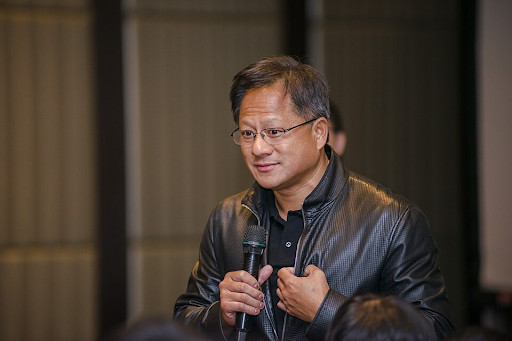
“The ChatGPT moment for physical AI is here.” With those words, Nvidia founder Jensen Huang defined the theme of his CES keynote. He argued that artificial intelligence is moving beyond text and images on a screen to inhabit physical machines that navigate the real world. Leading this charge is Nvidia’s new Alpamayo technology, a system designed to give robots—specifically cars—the power of reason.
Alpamayo is designed to bridge the gap between perception and action. Huang explained that the technology combines what a machine sees with language-like reasoning capabilities. This synthesis allows autonomous vehicles to understand the context of their environment, not just the geometry. For example, a car could recognize that a pedestrian is distracted and reason that it should slow down as a precaution.
The primary beneficiaries of this technology will be robotaxis and autonomous fleets. These vehicles operate in dynamic, often chaotic environments where rigid programming fails. By enabling cars to “think through” rare scenarios and explain their driving decisions, Nvidia aims to make autonomous public transport safer and more reliable than ever before.
To support this new era, Nvidia unveiled the Vera Rubin chip platform. These next-generation processors are built to deliver the high-performance computing necessary for physical AI. Huang detailed how the chips can improve the efficiency of generating AI data by ten times, a critical factor for machines that need to operate independently without consuming massive amounts of power.
The announcement positions Nvidia as the architect of a new industrial revolution. By providing both the brain (Alpamayo) and the brawn (Vera Rubin chips) for physical AI, the company is ensuring that as robots and cars become smarter, they will be running on Nvidia technology.