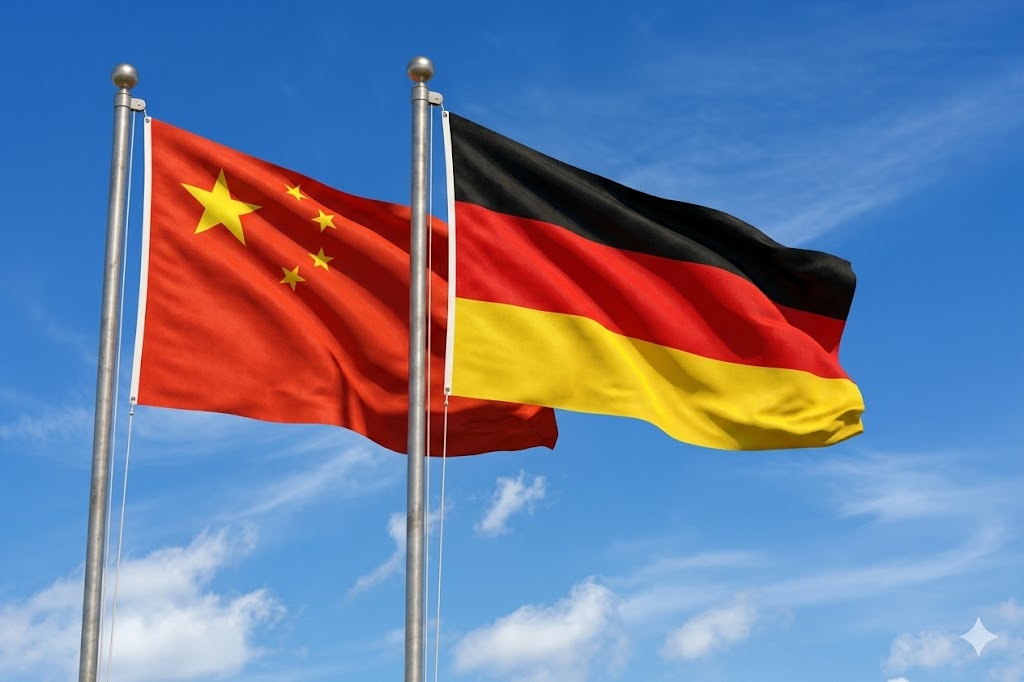
China and Germany are advancing their business and technology collaboration, with a notable shift in expertise and innovation now occurring in both directions instead of predominantly flowing from Germany to China. This development was highlighted in a joint research report unveiled at the China-Germany (China-Europe) Hidden Champions Forum 2026, which took place in Beijing’s Shunyi district. The forum attracted over 400 executives and business representatives from Europe and China, emphasizing the growing interconnection between the two economies.
The report indicates a significant trend among European companies aiming to expand their footprint in China. Specifically, 38 percent of surveyed European firms are planning to boost their research and development investments in China. Additionally, 40 percent of these companies are considering granting their Chinese branches more operational independence from their German headquarters. This move underscores a strategic shift towards localized management and innovation within the Chinese market.
Simultaneously, Chinese electric vehicle giants like Li Auto and NIO have set up research and design centers in Germany. This move highlights an increase in bilateral technological collaboration, as Chinese firms leverage German expertise to enhance their competitive edge in the global market. Such initiatives reflect the expanding scope of cooperation between the two nations, highlighting a balanced exchange of technological advancements.
During the forum, a public service station was also launched to assist businesses in overcoming technical trade barriers. This initiative aims to facilitate smoother business operations and encourage German and European companies to engage with Beijing’s economic and technological cooperation zone in Shunyi. This effort is part of a broader strategy to foster an environment conducive to innovation and economic growth.
Tang Wenhong emphasized Beijing’s commitment to supporting the collaboration between Chinese and German enterprises. The city aims to attract more innovative companies to solidify its status as an international hub for science and technology. These efforts are expected to further integrate the two economies, driving forward mutual growth and technological advancement.