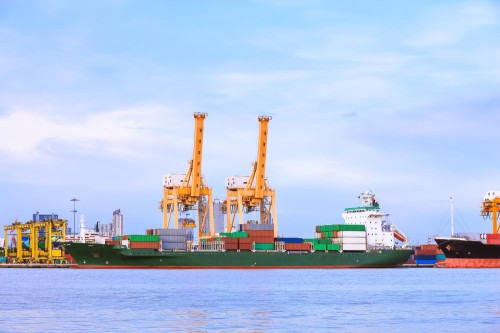
Europe is grappling with a renewed economic shock from China that poses a threat to local industries and jobs, according to trade analysts. The influx of Chinese components is raising fears of industrial dependence similar to the “China shock” that impacted the U.S. 25 years ago. Jens Eskelund, president of the European Chamber of Commerce in Beijing, highlights the increasing reliance on Chinese imports, particularly in components rather than finished goods, as a major concern for the EU. This growing dependency is prompting the EU to consider measures such as mandating European companies to source critical components from multiple suppliers, amid discussions on how to address the situation.
The financial landscape further complicates the issue, with changes in the exchange rate potentially undervaluing the yuan by up to 40% against the euro. This makes Chinese products significantly cheaper, leading European procurement leaders to favor them over domestic products. Oliver Richtberg of VDMA points out that this price disparity is hurting European industries, resulting in substantial job losses, notably in Germany’s machinery sector. As a consequence, Europe is witnessing deindustrialization, with Germany losing around 10,000 to 15,000 jobs monthly, raising fears that this could escalate from an economic to a security threat.
Data from sources like the trade watch website Soapbox indicate a troubling scenario where EU industries could be cannibalized by cheap Chinese imports. For instance, a significant portion of the EU’s imports of amino acids and polyhydric alcohols come from China. This reliance risks making EU production economically unviable, as low-priced Chinese supplies dominate the market. Meanwhile, China’s trade surplus with the EU continues to grow, underscoring the challenges faced by European industries.
Amid these developments, the EU has introduced legislative proposals like the Industrial Accelerator Act and an updated Cyber Security Act to safeguard its industries. However, these measures are not expected to take effect until 2027, leaving the EU under pressure to find immediate solutions. Andrew Small from the European Council on Foreign Relations remarks that existing tools are inadequate to counter the import levels, and tariffs have not sufficiently rectified trade imbalances.
As China has become Germany’s top trading partner, surpassing the U.S., European leaders face a strategic dilemma. While the EU is exploring countermeasures, the prospect of China’s retaliatory response looms large. The situation necessitates careful navigation, as Beijing holds significant sway over the proceedings, potentially complicating efforts to curb Chinese exports to Europe.