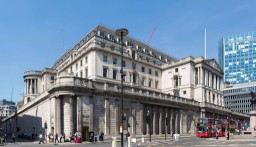
The UK’s interest rate outlook has been turned upside down by the Iran war, with the Bank of England voting unanimously to hold at 3.75% on Thursday and signalling that the direction of future rate moves may now be up rather than down following the conflict’s disruption to global energy markets. The monetary policy committee warned that the US-Israel conflict against Iran had pushed inflation above the comfortable path toward the 2% target and introduced the possibility of rate hikes that just weeks ago had seemed entirely implausible. Officials said the conflict could push inflation above 3% and that borrowing costs might need to rise before year end.
The upside-down nature of the reversal is most visible in the trajectory of market expectations. Before the war, financial markets had been pricing in multiple rate cuts through 2025, reflecting the benign inflation outlook and the case for monetary support of a modestly growing economy. The war has flipped that pricing, with markets now expecting rate hikes instead of cuts, in a reversal that has happened with unusual speed and completeness.
Governor Andrew Bailey acknowledged the dramatic nature of the reversal while urging caution against overreaction. He said the Bank was carefully assessing the scale and persistence of the energy price shock before committing to any policy direction. His measured tone was designed to prevent the market’s upside-down repricing from itself becoming a source of financial instability through premature tightening in mortgage and corporate credit markets.
UK gilt yields rose, the FTSE 100 fell, and the pound strengthened against the dollar as traders maintained their upside-down positioning. Five-year fixed mortgage rates moved to multi-year highs, reflecting the practical financial consequence of the overturned rate outlook. Analysts noted that the reversal of market expectations was among the most dramatic seen in UK monetary policy in recent years.
For UK households that had been making financial plans based on the old, right-side-up rate outlook, the upside-down reversal demands urgent reconsideration. Decisions about mortgages, savings, and investment made on the basis of expected rate cuts may now be financially suboptimal in a world where rates are more likely to rise. Adapting financial planning to the new, upside-down reality is both necessary and challenging given the degree of uncertainty that remains about the ultimate direction of policy.