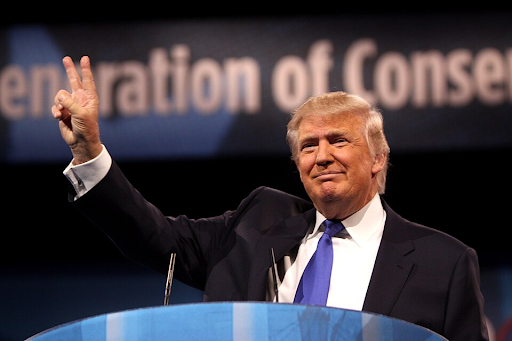
President Donald Trump’s audacious proposal serves as the ultimate test for the resolve of the transatlantic alliance. It forces the 30+ member nations to move beyond statements of condemnation and military aid and confront the question of how much economic pain they are truly willing to endure to defeat Russia.
The demand for a complete oil embargo is a direct test of economic resolve. It asks countries to risk inflation, energy shortages, and industrial disruption for the sake of a unified strategy. It separates the nations willing to make deep sacrifices from those who are not.
The call to collectively tariff China is a test of geopolitical resolve. It asks the alliance to risk a costly and destabilizing trade war with the world’s second-largest economy, expanding the conflict and fundamentally altering their relationship with Beijing for the foreseeable future.
How NATO responds to this test will define its credibility and effectiveness for years to come. If the alliance unites and accepts the challenge, it could emerge stronger and more purposeful. If it fractures and fails to meet the moment, it could be seen as a paper tiger, unable to make the hard choices required by a new era of great power competition.