In a significant concession, Europe is reportedly prepared to accept 10% tariffs from the US as part of a trade “framework” agreement, hoping to secure an extension of talks and avoid President Donald Trump’s threatened 50% tariffs on all EU exports. The negotiations are intense in Washington, with a critical deadline next Wednesday. The EU’s willingness to accept the 10% is directly linked to potential relief from the 25% car tariff, a major issue for Germany.
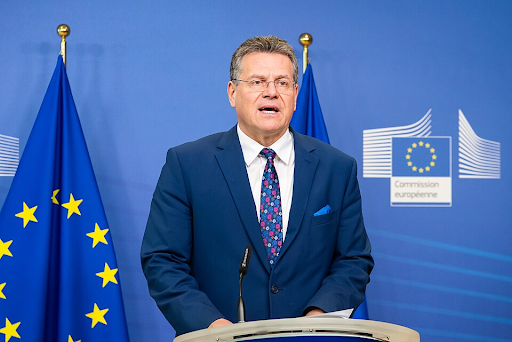
US Treasury Secretary Scott Bessent’s optimistic remarks after his meeting with EU Trade Chief Maroš Šefčovič hinted at a possible deal. Further high-level discussions are scheduled for Thursday afternoon with US Commerce Secretary Howard Lutnick and US Trade Representative Jamieson Greer, with expectations for “diligent” work through the weekend to bridge remaining gaps.
The pressure on the EU stems from Trump’s explicit threat to impose a crippling 50% tariff on all EU goods by July 9th. This would significantly escalate current tariff levels, which already include 10% on most goods and 25% on cars. German Chancellor Friedrich Merz has been a vocal proponent of a swift, “agreement in principle,” prioritizing the immediate removal of tariff burdens on businesses over prolonged, complex negotiations.
A key EU demand for any extended talks is a “standstill clause,” guaranteeing no new tariffs. While optimism exists for a deal by Friday, potentially providing Trump with a timely Independence Day announcement, the historical complexities of US-EU trade relations remain. Reports suggest a “massive tome” of US grievances was presented in earlier talks, and the latest US proposal reportedly lacks details on US concessions, particularly on the EU’s “red lines” concerning strategic sectors, energy, and non-trade barriers.